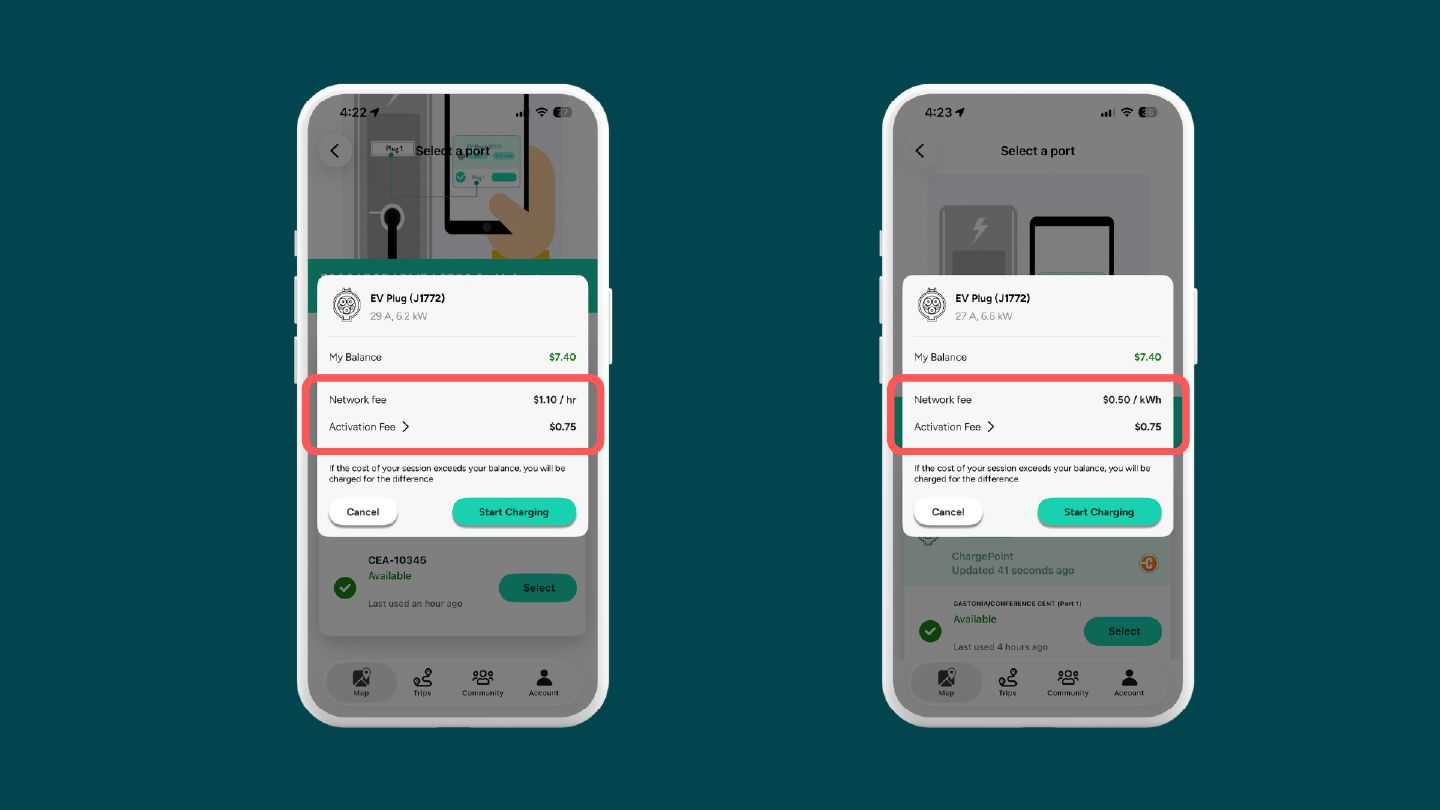
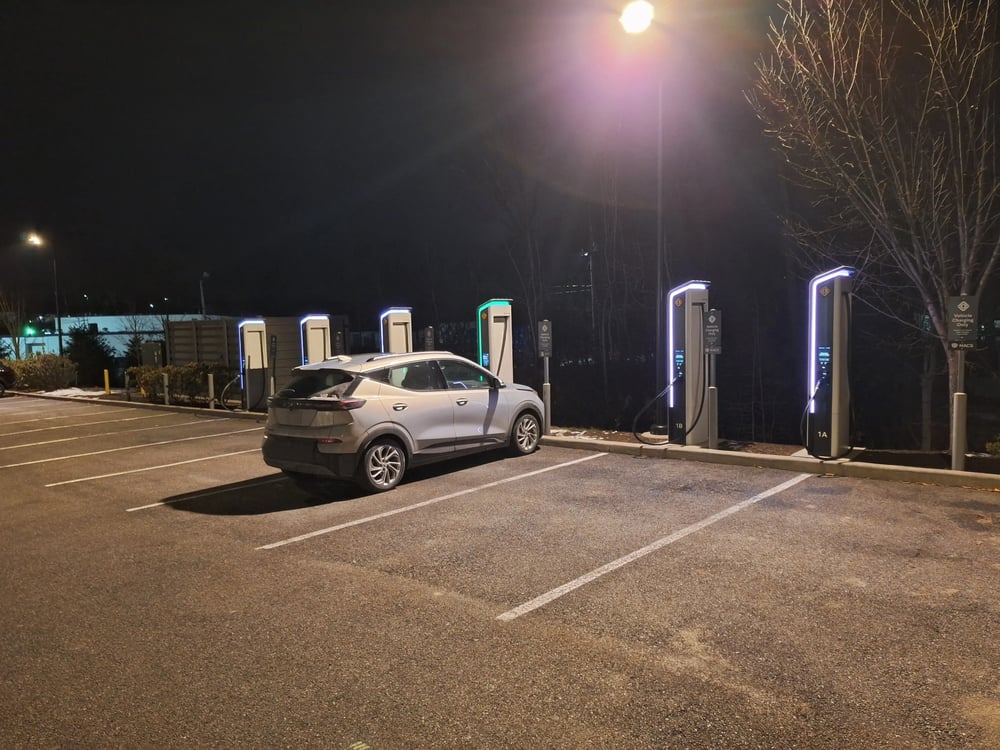
The two most common fees to watch for are activation fees and idle fees. Once you know how they work, avoiding them becomes much easier.
What is an activation fee?
An activation fee is a flat charge that some charging networks apply every time you start a session, regardless of how much energy you use. Whether you charge for 10 minutes or an hour, whether you add 5 kWh or 40 kWh, this fee kicks in the moment you plug in.
Think of it like a transaction fee: you pay just to access the station, before a single electron enters your battery.
Many networks charge between $1 and $2 per activation. If you charge three times a week, that adds up to $12–$24 per month or nearly $300 per year.
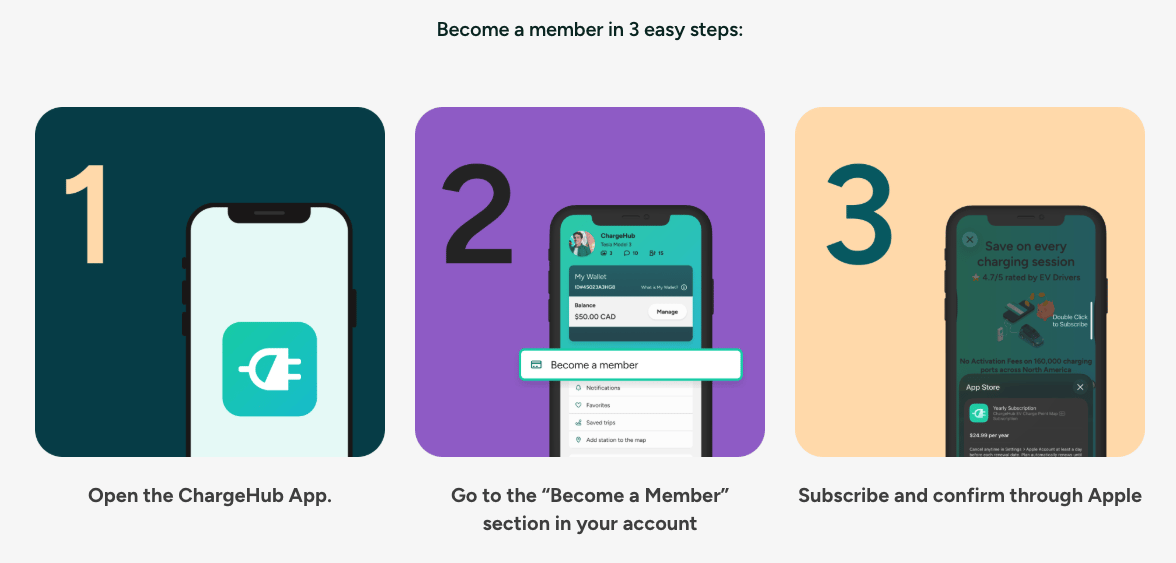
💡The good news is that these fees aren't unavoidable. A membership like ChargeHub Plus removes the activation fee when charging on its partner networks.
What is an idle fee?
Idle fees are charged per minute when your vehicle stays plugged in after charging is complete. Their purpose is to encourage drivers to free up the station promptly so it's available for other users.
In practice, once your battery reaches its target level, often 80% on fast chargers, the idle fee timer can kick in. Depending on the network, rates typically range from $0.40 to $1.00 per minute, which can add up to several dozen dollars if you forget to unplug for an hour.
To avoid them, enable end-of-charge notifications in your ChargeHub app or set an alarm to unplug quickly and free up the station. Your wallet wins, and so does every EV driver waiting to charge.
 FIND A STATION
 STORE
STORE






 Get the app