 FIND A STATION
 STORE
STORE





 Get the app


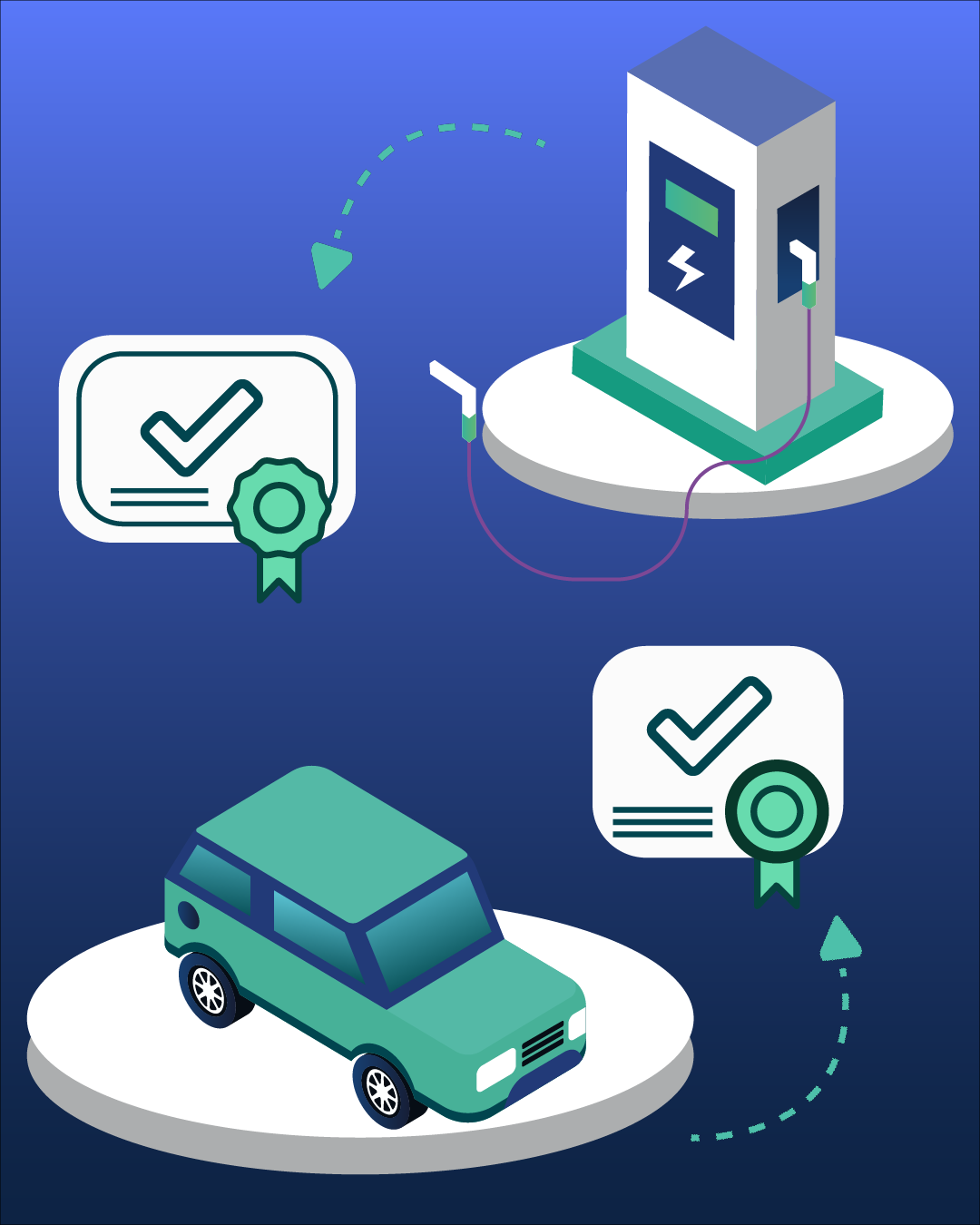
P&C relies on Public Key Infrastructure, which manages a hierarchical system of digital certificates. These certificates, serving as digital passports, are assigned to both vehicles and charging stations.
Without this mechanism, it would be impossible to ensure that a transaction comes from a verified vehicle and is approved by a trusted network. “PKI is not just a technical component: it ensures that every Plug & Charge transaction relies on a recognized, secure digital identity, forming the trust required to move from pilot to industry standard,” explains Adam Wilkinson, Solutions Architect at Irdeto.
The RAAR Process and Expanded Coverage via EV Roaming Hubs
The RAAR process defines the steps of a charging session activated via P&C, with PKI playing a central role. Secure certificate exchange, in accordance with ISO 15118, enables near-instant authorization as soon as the driver plugs in their EV.
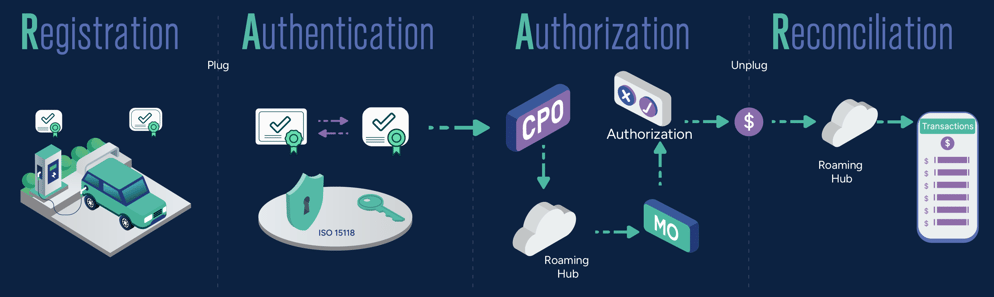
Although PKI is fundamental to the RAAR process, EV roaming remains a key component. The authorization phase illustrates the complexity of this system, as it sometimes requires the use of an OCPI token to identify the EV driver. Combining PKI’s robustness with the reach of EV roaming hubs, the industry has achieved an architecture that enables the deployment of Plug & Charge.
As Olivier Proulx, CTO of ChargeHub, explains:
"When an electric vehicle driver is not covered by a peer-to-peer agreement between the CPO and the electric mobility provider, we use an OCPI token to confirm their identity via the hub. This allows us to expand the coverage of Plug & Charge while maintaining a high level of security."
In short, PKI provides security and reliability, while integration with EV roaming hubs expands coverage and manages cases outside bilateral agreements.