Published on February 25, 2026 (Updated on February 25, 2026)

You drive an electric vehicle (EV) and want easy access to charging stations. Charging can feel confusing at first, especially when you travel or visit a new area. The good news is that the right adapter solves most situations.


What a charging adapter does

A charging adapter connects your electric vehicle to a charging station that uses a different connector. It acts as a bridge between your car’s charging port and the available charger. This helps you avoid surprises at public charging stations.

This solution stays simple, practical, and reassuring.

Across the North American charging network, several standards coexist. Chargers do not always offer the same connector type. In this context, an adapter becomes your mobility insurance.

Why compatibility really matters

Not all charging stations use the same connector type. This variety comes from the rapid evolution of vehicles and charging infrastructure. Compatibility depends on both the charging station and the electric vehicle.

AC charging connectors standard charging

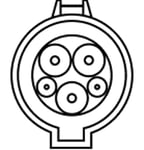
J1772 charging connector

J1772

  • The most widely used standard
  • Used by most electric vehicles
  • Works with public and home charging stations
 

NACS (Tesla)

  • Connector developed by Tesla
  • Increasingly adopted by other automakers
  • Supports AC and DC, depending on the station
 

DC charging connectors fast charging

CCS Combo 1 charging connector

CCS Combo 1 (CCS)

  • The most common fast charging standard
  • Available at most DC fast charging stations
  • Used by the majority of newer electric vehicles
 

CHAdeMO charging connector

CHAdeMO

  • An older charging standard
  • Still available at some charging stations
  • Compatible with a limited number of vehicles
 

What to remember about connectors and adapters

Charging type Common connectors Main use
Standard charging (AC) J1772, NACS Daily charging at home or at public charging stations
Fast charging (DC) CCS, CHAdeMO Fast charging on the road and during long trips

One adapter for more freedom

Contrary to what many people think, you usually do not need multiple adapters. In most cases, one well-chosen adapter covers real-world needs. This is especially true for fast charging on the road. A good adapter lets you use public fast chargers. It expands your access beyond proprietary charging networks. You gain flexibility, especially on long trips. 

Fast charging and compatibility what you really need to understand

Fast charging changes the EV driving experience. It allows you to recover a significant range in a short time, especially while travelling.

However, fast charging depends primarily on the electric vehicle itself. Even with a fast-charging-compatible adapter, charging speed still depends on your vehicle’s capabilities.

If your car supports only AC charging, it will charge normally but will not activate fast charging, even at a station designed for it.

The adapter ensures compatibility between the vehicle charging port and the station. It does not change the vehicle’s technology.

The vehicle always determines the accepted power level, not the adapter or the charger.

This behaviour is normal, safe, and poses no risk to the battery, charging port, or charging station.

Safety and reliability come first

Using an adapter is safe when it is designed for electric vehicle charging. A reliable adapter follows electrical standards and power limits.

It protects both the charging station and the vehicle charging port without forcing charging. It automatically adapts to both the vehicle's and the charger's capabilities. 

Travel with confidence using charging stations

While travelling, charging stations vary by region and networks. Available connector types may vary.

An adapter lets you use most charging stations you encounter. It brings real peace of mind on long electric road trips. 

Plan before you arrive at the station

Planning remains the best way to avoid surprises.
Identifying charging stations and checking compatibility makes all the difference.

With ChargeHub, you can:

  • See available connector types.
  • Check compatibility with your adapter.
  • Plan trips across Canada and the United States.

Key takeaways about charging adapters

A charging adapter does not make charging more complicated. It improves compatibility between your electric vehicle and available charging stations. It gives you access to more chargers and more charging networks, both daily and while travelling.

Charging speed always depends on the vehicle, not the adapter. With the right tool and proper planning, you can charge everywhere with confidence.

Use ChargeHub to find charging stations, verify connectors, and travel in an electric vehicle across North America with peace of mind.

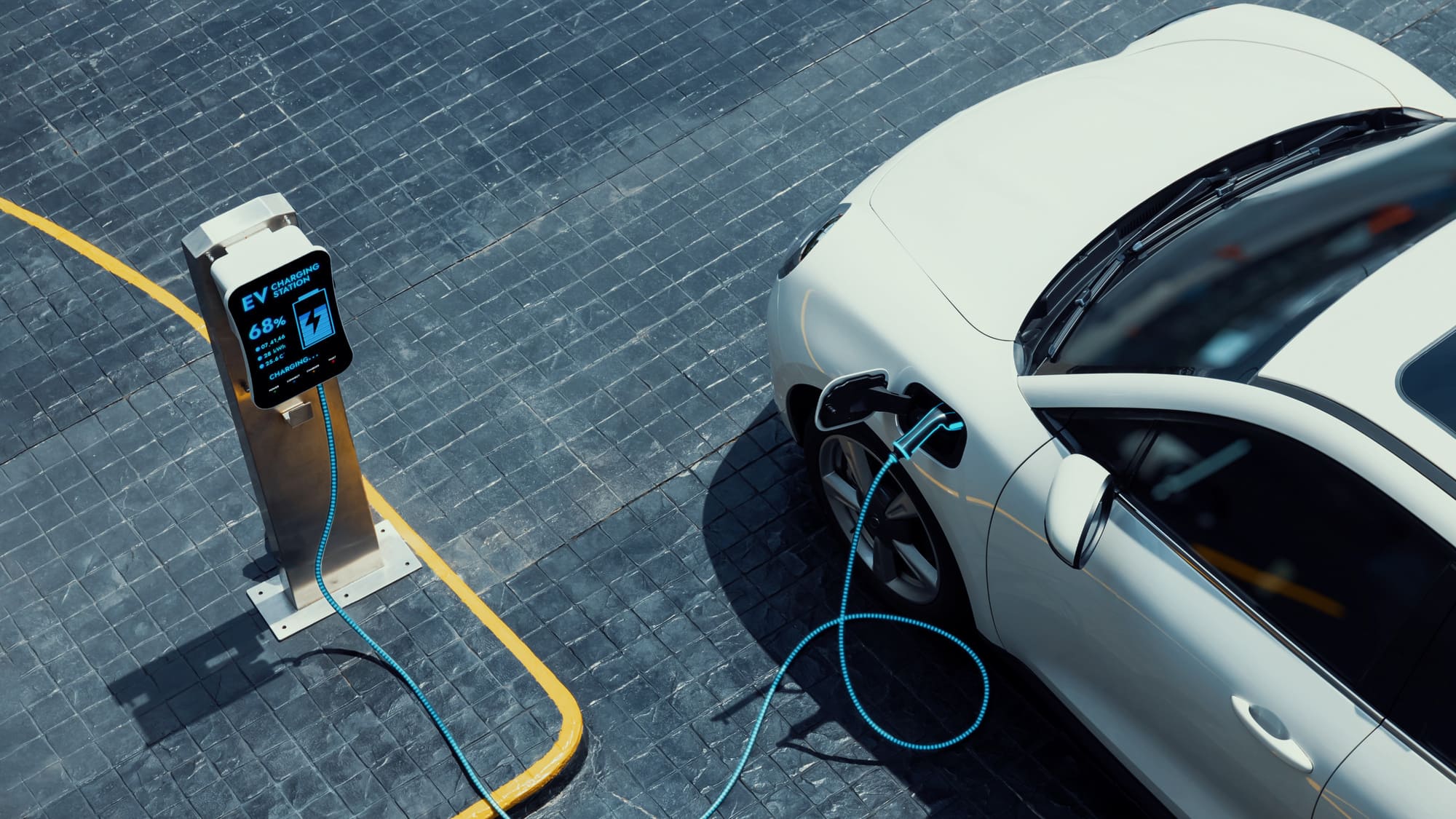
Electric vehicle plugged into a public charging station


FAQ – Charging adapter for electric vehicles

Do I really need a charging adapter for an electric vehicle?

Not always.
If you charge only at home or within a specific network, you may not need one.
However, while travelling or using public charging stations, an adapter becomes very useful.
It helps you access more stations without stress. 

Is using a charging adapter safe for my electric vehicle?

Yes, as long as you use an adapter designed for EV charging.
A quality adapter complies with electrical standards and respects the vehicle's power limits.
It protects the charging port and the battery.
It is never a generic universal accessory.

Can an adapter damage my vehicle charger or the charging station?

No, when compatibility exists.
The adapter acts only as an interface between the connector and the charging port.
It does not modify the current delivered by the charger.
This is why compatibility remains essential.

Can I use an adapter on all charging stations?

A well-chosen adapter works with most public charging stations.
It does not unlock every station, but it covers the majority of vehicles and networks.
Some highly specific stations remain proprietary.

Do adapters work with fast charging?

Yes, some adapters support fast charging.
They allow you to use compatible DC fast chargers.
This helps you recover range quickly, especially while travelling.


Do Tesla drivers need an adapter?

Yes, in certain situations.
Tesla Superchargers work perfectly within the dedicated Tesla network.
When using public charging stations, an adapter becomes necessary.
The Tesla to J1772 adapter is a common example that expands compatibility.

How do I know if a station is compatible with my adapter?

The easiest way is to check before you arrive.
With ChargeHub, you can see connector types, compatibility, and network information.

Is it complicated to use a charging adapter?

No.
You plug the adapter into the charger, then connect it to the vehicle charging port. Charging starts as usual.

If I have a fast-charging-compatible adapter but my vehicle supports only AC charging, will it still charge?

Yes.
Your vehicle will charge normally, but without fast charging.
The adapter ensures compatibility without altering the vehicle's capabilities.
This behaviour is normal and safe.